
Pediatrician in Noida Dr. Sagardeep Singh Bawa
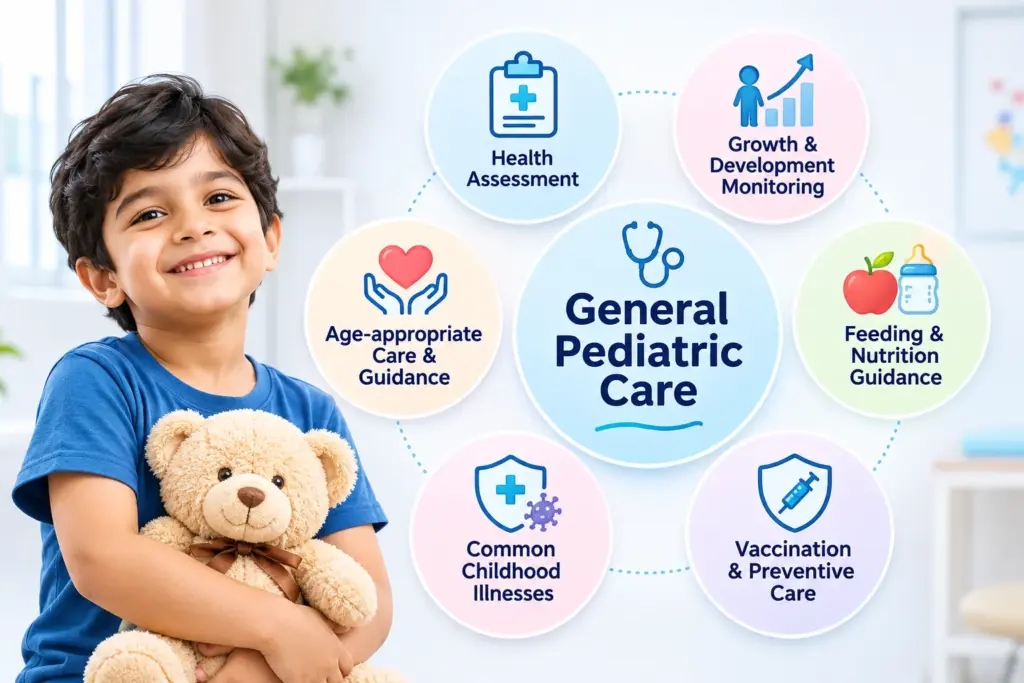
Health care is essential for children at all stages of childhood. As children grow, from infancy to adolescence, their health demands change and vary.
General Pediatric care in Noida determines the entire health of the child – from physical growth and nutrition to development and healing of diseases.
Cuddles and Cutis offers pediatric consultations at the feet of Dr. Sagardeep Singh Bawa, who is a Consultant Pediatrician qualified with MD, DNB (Pediatrics) and PGPN (Boston).
The clinic emphasizes preventive health care, managing diseases, guiding the parents in nutrition and monitoring the child’s development.
The goal of the clinic is to provide the parents with a better understanding of their child’s health and the ability to take right decisions.
When Does Your Child Need General Pediatric Care?
A Pediatrician looks after the health needs of newborns, infants, children and adolescents.
You can consider a Pediatric consultation for:
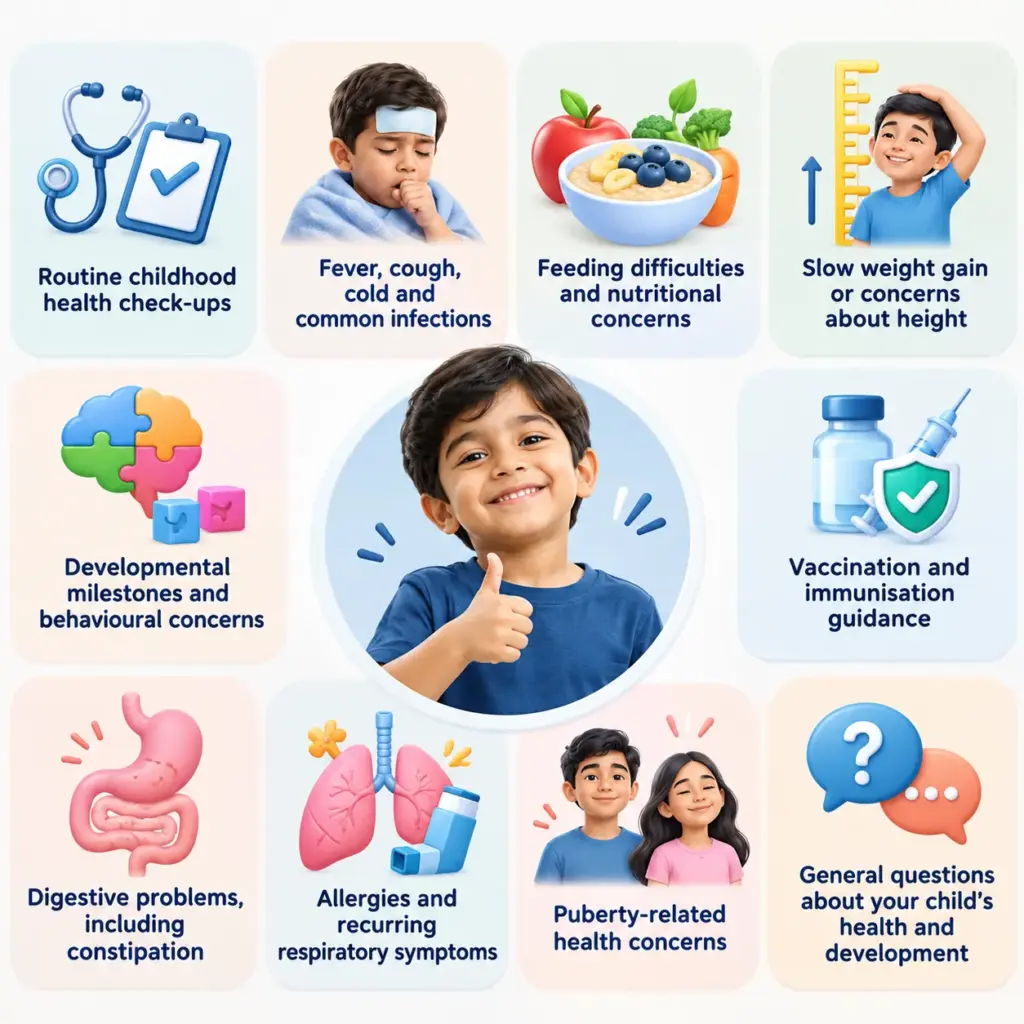
Regular consultations can help identify concerns early and guide parents on appropriate next steps.
For consultation timings and appointment information, contact Cuddles and Cutis through its official website.
What Is Included in General Pediatric Care?
General Pediatric care covers several aspects of a child’s health.
The consultation depends on the child’s age, medical history and current concerns.
1. Routine Health Check-ups
Regular health assessments help parents understand their child’s health and development.
A Pediatric check-up may include:
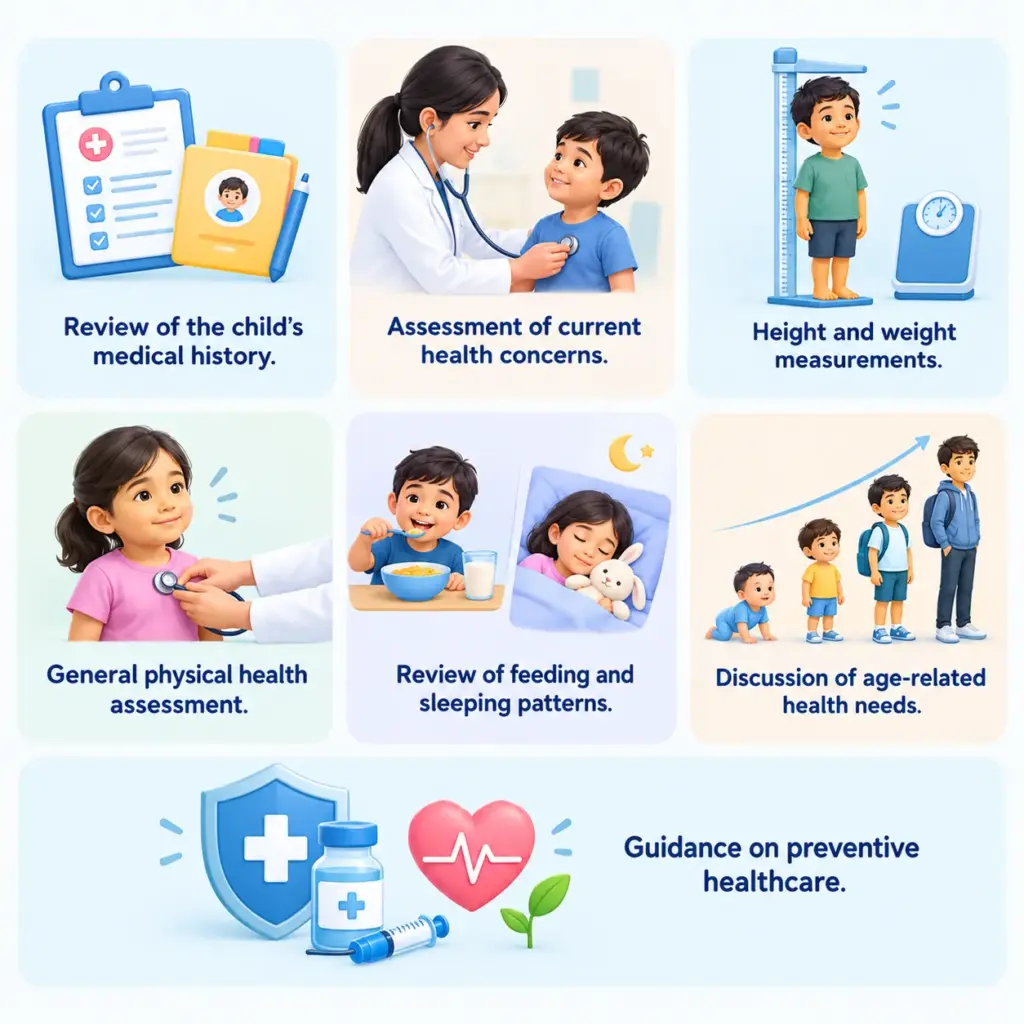
The frequency of visits depends on the child’s age and individual health requirements.
2. Growth Monitoring and Developmental Assessment
Children grow at different rates. Monitoring their growth helps identify patterns that may need medical attention.
Growth monitoring may include:
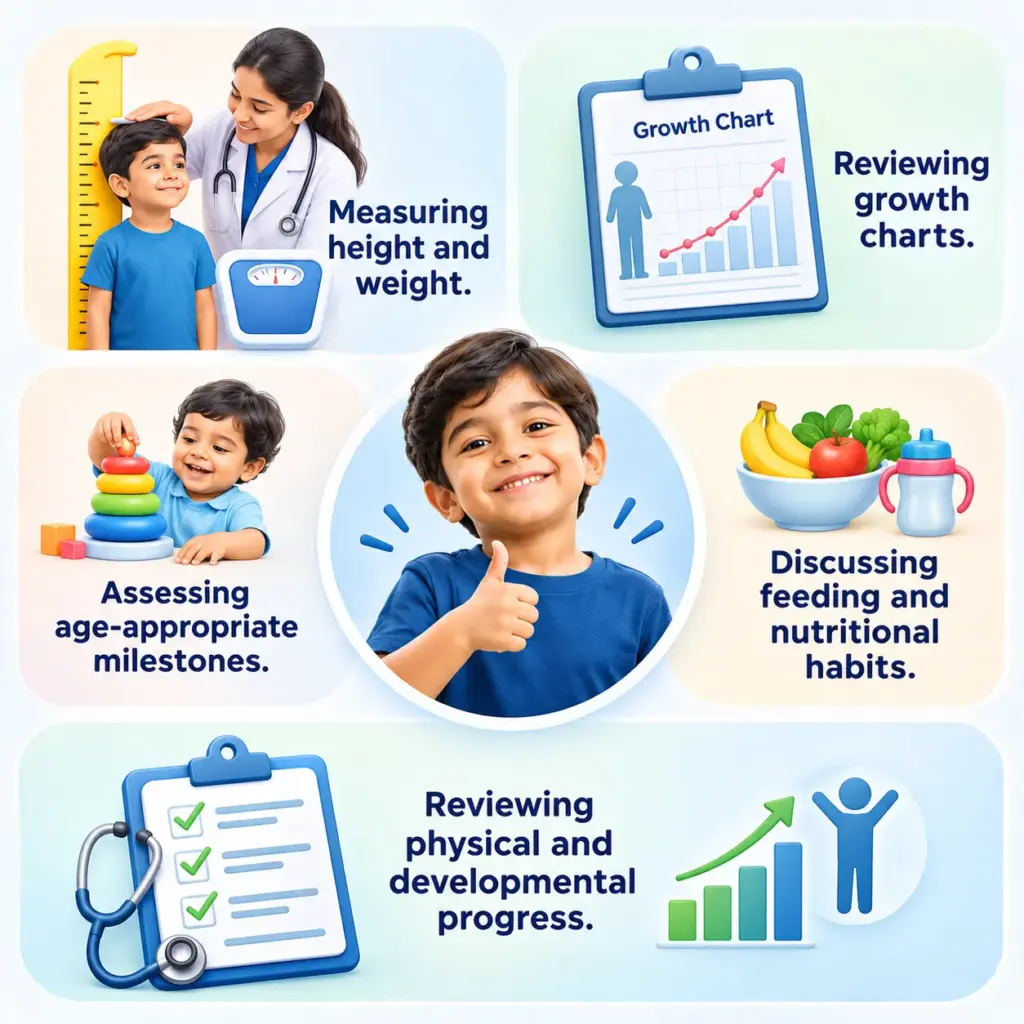
Read More
Developmental milestones are skills children generally acquire as they grow.
These include sitting, walking, speaking and interacting with others.
If parents notice delays or changes in development, a Pediatric assessment can help determine whether further evaluation is needed.
3. Childhood Illness Management
Children commonly experience infections and other health concerns while growing up.
A Pediatrician evaluates symptoms, medical history and examination findings before recommending appropriate care.
Common concerns include:
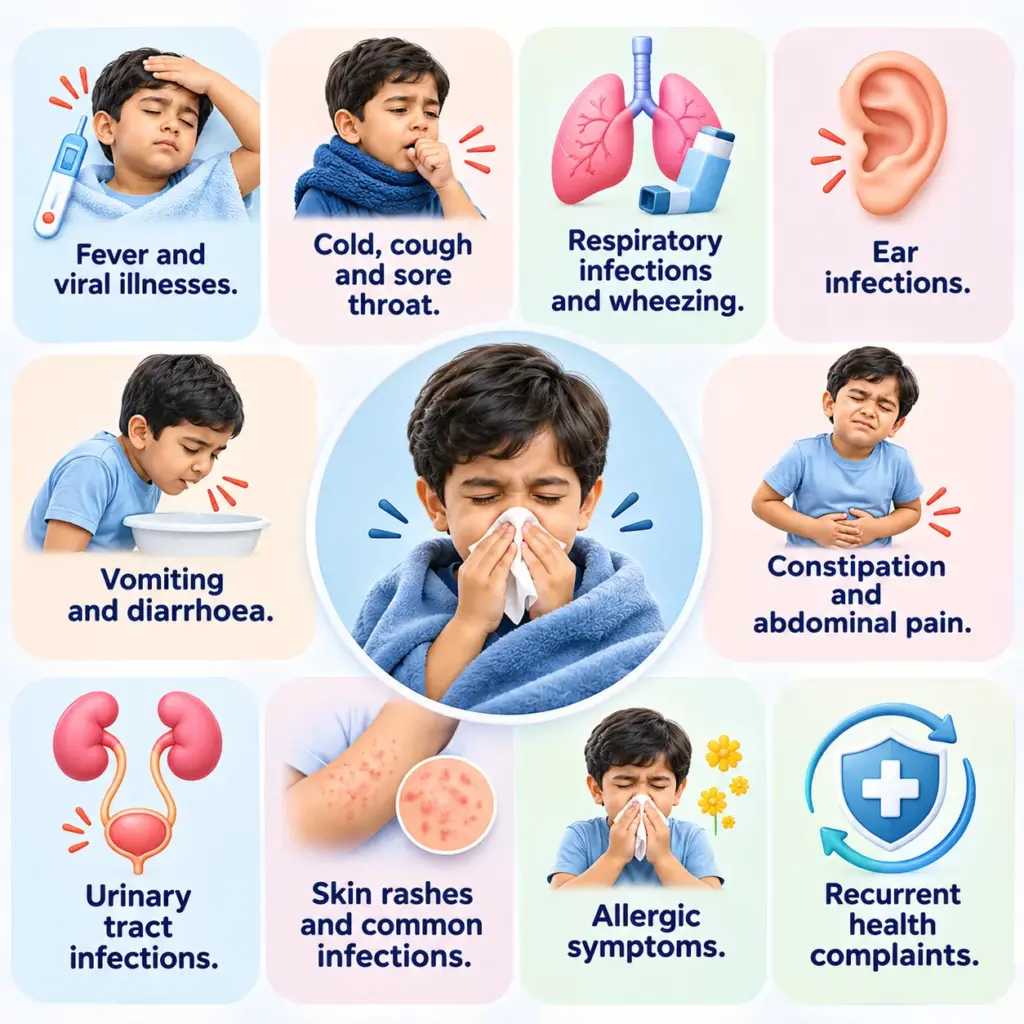
Read More
Parents should avoid giving antibiotics or other medicines without medical advice.
The right treatment depends on the cause of the illness and the child’s condition.
4. Infant and Child Nutrition
Nutrition plays an important role in childhood growth and development.
Feeding requirements change as children move from infancy to early childhood and beyond.
Nutrition consultations may address:
- Breastfeeding and feeding guidance.
- Introduction of complementary foods.
- Weaning-related questions.
- Age-appropriate dietary choices.
- Picky eating and feeding difficulties.
- Poor weight gain.
- Undernutrition and nutritional deficiencies.
- Childhood overweight and obesity concerns.
Parents can discuss their child’s eating habits and receive guidance based on individual nutritional needs.
5. Vaccination and Immunisation Guidance
Vaccination helps protect children against several infectious diseases.
Following an age-appropriate immunisation schedule is an important part of preventive Pediatric healthcare.
During a consultation, parents can discuss:
- Vaccines recommended at different ages.
- Pending or missed vaccine doses.
- Booster dose requirements.
- Catch-up vaccination questions.
- Expected reactions after vaccination.
- Precautions following immunisation.
Parents should maintain their child’s vaccination record and discuss any missed doses with a Pediatrician.
6. Allergy and Respiratory Health
Some children experience recurring sneezing, coughing, wheezing or skin irritation.
These symptoms may be associated with allergies or respiratory conditions.
A Pediatric consultation can help assess concerns such as:
- Allergic rhinitis and recurrent sneezing.
- Asthma-related symptoms.
- Recurrent cough and wheezing.
- Food and environmental allergy concerns.
- Eczema and allergic skin conditions.
The evaluation and management plan depend on the child’s symptoms and clinical findings.
7. Developmental and Behavioural Support
Child development includes physical, language, social and emotional progress.
Parents may sometimes notice differences in their child’s behaviour or development.
A Pediatric assessment can help address concerns involving:
- Speech and language development.
- Learning difficulties.
- Attention and concentration.
- Behavioural challenges.
- Sleep-related problems.
- Emotional wellbeing.
- School-related concerns.
- Developmental delays.
Early identification can help families understand whether additional assessment or specialist support is appropriate.
8. Adolescent Healthcare
Adolescence brings several physical, hormonal and emotional changes.
Children in this age group may need guidance on changing health and lifestyle requirements.
Pediatric consultations may cover:
- Puberty and physical development.
- Growth-related concerns.
- Menstrual health questions.
- Acne and common skin concerns.
- Nutrition and healthy eating.
- Sleep and screen-time habits.
- Physical activity and lifestyle.
- Emotional and mental wellbeing.
Consultations also provide an opportunity for adolescents and parents to discuss health concerns.
General Pediatric Care for Different Age Groups
General Pediatric care considers these changing needs.
Newborns and Infants
The first months of life involve important changes in feeding, growth and development.
Healthcare guidance may cover:
- Newborn health assessments.
- Feeding and breastfeeding questions.
- Weight monitoring.
- Jaundice assessment and follow-up.
- Colic and excessive crying.
- Sleep and safe-sleep guidance.
- Development and routine immunisation.
Premature and low-birth-weight infants may require additional follow-up based on their medical needs.
Toddlers and Preschool Children
This stage involves rapid physical and developmental changes.
Parents may seek guidance regarding:
- Eating habits and nutrition.
- Speech and language milestones.
- Toilet training concerns.
- Recurrent infections.
- Sleep routines.
- Behavioural changes.
- Vaccination requirements.
School-Age Children
As children start school, their physical and social environments change.
Pediatric care may address:
- Growth and weight assessment.
- School health concerns.
- Nutritional requirements.
- Allergies and respiratory symptoms.
- Learning and concentration concerns.
- Sleep and physical activity.
Teenagers
Adolescent healthcare focuses on physical development and overall wellbeing.
Consultations may cover puberty, nutrition, menstrual health and healthy lifestyle habits.
Why Is Preventive Pediatric Care Important?
- Regular health assessments.
- Age-appropriate vaccination.
- Growth and development monitoring.
- Balanced nutrition.
- Healthy sleep habits.
- Personal hygiene.
- Physical activity.
- Injury prevention and child safety.
- Guidance about common childhood illnesses.
Parents should also discuss any new or persistent symptoms rather than waiting for the next routine check-up.
For clinic directions, current consultation timings or appointment-related information, visit the Cuddles and Cutis website.
When Should Parents Seek Immediate Medical Attention?
Some symptoms in children require urgent medical assessment.
Do not wait for a routine Pediatric appointment if your child has:
Difficulty breathing or severe breathing distress.
A seizure, particularly a first seizure.
Unusual drowsiness or difficulty waking.
Signs of severe dehydration.
Persistent vomiting with an inability to retain fluids.
A serious injury or sudden deterioration.
A fever of 38°C or higher in a baby younger than three months needs urgent medical assessment.
For severe symptoms, visit the nearest emergency department or contact emergency services.
This information is educational and does not replace an individual medical assessment.
Supporting Your Child's Health Through Every Stage
For information about general Pediatric consultations, clinic timings and directions, contact the clinic using the details provided on its official website.
FAQs
Childcare or General Pediatrics includes wellness checkups for your children. Also included are assessments for childhood illnesses. The growth and nutritional aspects of children are assessed along with routine immunizations and developmental screenings.
Pediatricians should be the first line of care for routine screenings for health as well as fever and other symptoms that can affect children including feeding difficulties and even poor weight gain. When you have questions regarding your child’s health, a Pediatrician can address your concerns.
Yes, absolutely! Nutrition and developmental screenings will take place as part of the pediatric visit. Pediatricians will monitor height and weight and provide guidance on diet.
Yes, care provided in Pediatrics is not just for the young. Adolescent concerns including sleep, lifestyle, emotional and mental wellbeing will also be addressed. During puberty, menstrual health and nutrition will also be considered.